
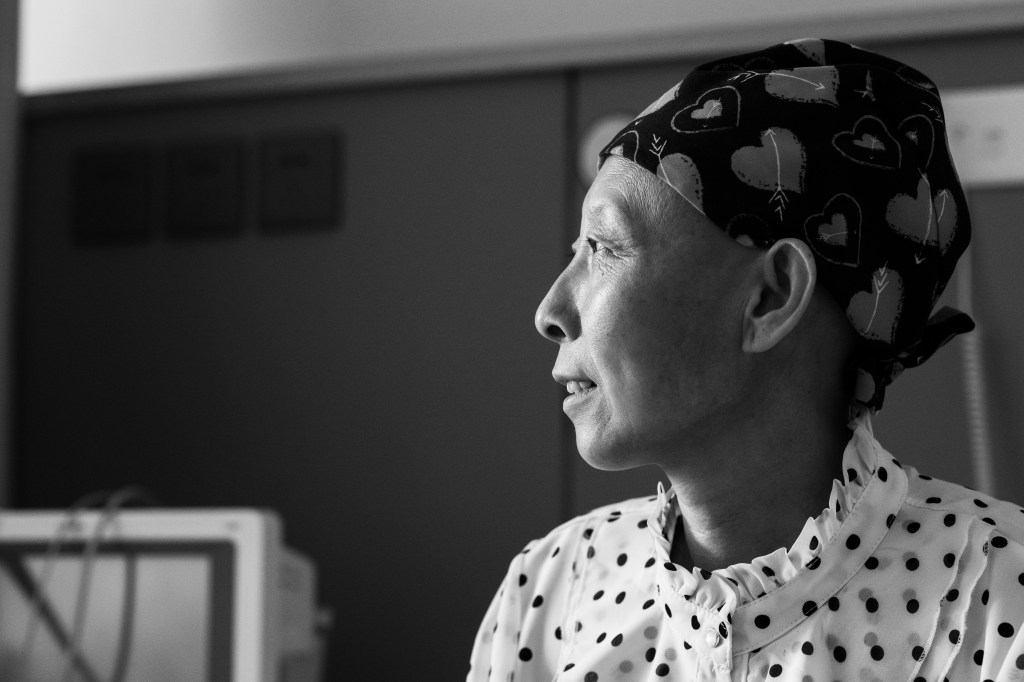
When Mei Lan was first diagnosed with cancer, she didn’t fully understand the gravity of the situation. The signs had been there—persistent fatigue, unexplained discomfort—but like many others, she dismissed them, believing it was nothing serious. It wasn’t until her condition worsened that she finally went to the hospital.
By then, it was already late-stage cancer.
“I thought it was just a small issue,” she says. “I had no idea it would be something this serious. I regret not going to the doctor sooner.”
She was diagnosed after her symptoms became unbearable. At first, she tried to manage the pain with home remedies and traditional medicine, reluctant to undergo aggressive treatment. “I didn’t want surgery. I didn’t want chemotherapy. I thought if I just took care of myself, maybe it would go away.”
But cancer does not wait. By the time she accepted treatment, her condition had worsened significantly.
“Everything started swelling—my arms, my legs. The doctors told me that I had no choice but to start medical treatment immediately.”
She began an intensive treatment plan, including multiple surgeries, chemotherapy, and immunotherapy. The process was grueling.
“The chemotherapy was the hardest part,” she recalls. “The side effects were unbearable. My hair fell out, my body ached, and I couldn’t keep food down. There were days I wanted to give up, but my family wouldn’t let me.”
Throughout her battle, her family became her anchor. Her brothers and their wives took turns accompanying her to appointments, helping her with daily tasks, and offering emotional support.
“My brother and sister-in-law were there every step of the way. They helped with everything—transportation, meals, even just sitting with me when I was too weak to move. Their presence kept me going.”
She also credits her medical team for her progress. “The doctors and nurses weren’t just doing their jobs; they truly cared. The chief physician would check on me personally. The nurses made sure I was comfortable, even when they were exhausted from long shifts.”
Despite the support, the emotional burden of cancer was overwhelming.
“When I first heard the word ‘cancer,’ I felt like I had been electrocuted. The fear was immediate and paralyzing. I kept asking myself, ‘Why me?’”
To cope, she sought out counseling and support groups, but she was selective about what information she consumed. “I didn’t want to read too much online. Some stories made me more anxious. I decided to trust my doctors instead of scaring myself with worst-case scenarios.”
She also found strength in small routines, like listening to music, attending health lectures, and even learning new things online to distract herself from the pain.
“I realized that when your body is suffering, your mind has to stay strong. I kept my brain engaged, whether it was listening to educational talks or just simple things like watching my favorite shows.”
Now, after completing multiple rounds of treatment, Mei Lan is stable, though she knows the battle isn’t over.
“I still go for regular checkups. Cancer is unpredictable. But I’ve learned to live with that uncertainty.”
When asked what advice she would give to someone newly diagnosed, her message is clear:
“Don’t wait. If something feels wrong, go to the doctor immediately. Don’t assume it will go away. Early detection can save your life.”
She also emphasizes the importance of trusting the right medical professionals. “Big hospitals have experienced doctors and advanced treatments. I wasted too much time before finally going to a specialist. I wish I had gone sooner.”
And most importantly, she wants people to know that cancer is not the end.
“It’s scary, but you can still live. You can still laugh, love, and find joy in small things. Don’t let cancer take that away from you.”
 Humans of Cancer